
004. Arrested in Rwanda (Pt. II)
I
was moved into an all-white waiting room. I sat on the hard metal chairs, and slowly the room filled with men staring and interrogating me. Some spoke broken English, while others yelled in Kinyarwanda. From the bits and pieces, I gathered, most of the men were repeating The Blue Shirt man's sentiments – That I was disgracing Rwanda.
I never knew how fearful I was of men until this entire episode. Being able to sit with my thoughts in the chaos, I thought of what men do and have done when they have absolute power. History has shown us that more times than none, this leads to rape, death and injustice.
The butterflies in my stomach were turning into moths – rumbling around looking for light.
Every time I tried to speak, the men shook their heads, yelled or motioned me to silence. Some were so angry that their peers held them back from touching me.
One man, fluent in English, explained what was happening. He snuck in sentences when no one was watching. He tried his best to calm me down and said everything would be okay if I did nothing wrong. His kindness made me suspicious.
Another English speaking man walked in from outside and began lecturing me about respect. He mentioned he was the Head of Airport Staff. However, when I asked for his name, squinting at the tiny font on his nameplate, he smirked and covered it with the flap collar of his suit.
I took a deep breath in and out and sat up in my chair. I whispered a prayer.
Some men looked through the package of printed brand material on the floor in a box near my feet.
From the window behind me, I peeked through the blinds and saw more men talking passionately. My rage was deescalating into frustration, and I was becoming exhausted.
I looked down at my fidgeting thighs, where my hands laid. I stared at the handcuffs around my wrist that were ashy from the metal. Unbelievable, I thought.
Four men walked back inside, the Head of Airport Staff in front. Before he spoke, I interrupted. And to my surprise, they let me talk.
I don't have a word for word of what I said to them, but it went something along the lines as explaining:
"I am in your country to tell others around the world why they should travel to Kigali. I work for a travel-based platform that builds experiences on the continent. I'm attending a world tourism conference. I sat in a room where your President spoke- check my phone for images if you'd like. I'm here to increase tourism in your country, and the papers in this package are for distributing at a private event."
The word President must have set off an alarm because they handed me my phone, and I showed them the conference pictures.
I was uncuffed, and we began walking outside. I saw a familiar face, Gael. Relief entered my body. Gael worked for one of the partners my company collaborated with for the reception.
He must have heard about my arrest and rushed over to help. In my distress, he appeared as a Knight in shining armour.
I ran over to him as he was talking to the police officers and soldiers. He paused his conversation and asked if I was okay. He gave me a quick translation of what was going on.
Apparently, there were two sets of people arguing – those who believed the treatment towards me was wrong and others fighting for some sort of justice based on male patriarchy. Regardless, no one intervened when I was wrongfully shoved to the ground and arrested, so to me, they were all on the same side.
Somehow another huddle formed around Gael and I. The Head of Airport Staff stood beside The Blue Shirt man making his position clear. He held my passport in the air and asked if I was going to escalate the issue. Not only was this a clear indication that they went through my purse, but he was waiting for me to passively answer no so I can leave with my belongings. I didn't.
I replied angrily, letting him know that I intended to escalate the situation. We started arguing back and forth as he kept my passport raised, restricting me from retrieving it.
He asked if I really wanted to ruin the remainder of my time in Rwanda with a devious smirk. It sounded like a threat.
Gael moved closer to me, nudging me with a sympathetic look. I took a deep breath and told them that I will let it rest for now.
My passport was returned, and I began walking away with Gael. He explained why he wanted me to say I was letting things go so we can get out of the vicinity, not because he believes I should.
Suddenly we heard running footsteps behind us. It was Gilbert. He tapped my shoulder, pointing at the papers in his hand and holding his hand out, asking for money. I replied, "hell no," and continued walking.
Gael asked what my relationship was to Gilbert as we continued towards the exit. I explained while Gilbert followed us, insisting, begging, and raising his hands in the air.
Gael turned to Gilbert, and they spoke in Kinyarwanda for a bit. Then Gael gave me the same look of - let's just do this and get out of here. I stormed over to the ATM and took out 59,000 RWF. I walked over to Gilbert and flippantly gave the envelope to him. I waved him off and turned my back to him as he bowed, saying thank-you.
In my hotel, I was engulfed with emotion. I showered and let the tears flow in sync with the steaming hot water. The thoughts that came over me were horrid. I thought about dying, getting shot, gang-raped, and the possibility of being imprisoned. I tried to talk myself out of the negative thoughts while focusing on the blessing of survival.
When I got out of the shower, I received a missed call from a local number and text from a woman named Patricia*. She mentioned she was the head of the Rwandan Development Board (RDB)
 Rwandan Development Board
In 2017, The Rwanda Development Board hosted several Tourism companies in Rwanda for the ATA Conference and Familirization Tour. RDB provides trusted market intelligence, practical advice and business tools to help Rwanda companies expand in global markets.
. She wanted me to share what happened that night.
Before replying, I sent a mass WhatsApp text message to my close friends and family about the arrest. It was around mid-afternoon their time.
My sister called me immediately. Over the phone, she told me I didn't have to recount the situation if it was too traumatic. She was my sister first, best friend, second and lawyer third—a pact we made as teenagers.
After talking to her, I spoke with my mom and dad, who were freaking out. I spared a few details with them because I didn't want to shock their system.
They consoled me and prayed with me before I let them go.
I wrote my statement for Patricia, while the events were fresh in my mind. When I was done, I reread it repeatedly, making sure I didn't miss any details. Finally, I fell asleep with my laptop beside me.
T
he next morning, Patricia scheduled a meeting at the RDB's headquarters with her, the Chief of Police and the Head of Airport Staff, who dangled my passport the night before.
As I walked through the office, I felt an energy shift. Workers whispered and staired. I saw a tall, bald, dark skin man speaking with The Head of Airport staff. I figured by his uniform, stance and presence, he must have been the Chief of Police. They kept looking over at me, as I sat in the waiting room.
Patricia walked in, introduced herself, and I felt a bit better. She led me into her office and pointed to my seat on the couch as she sat behind her desk. The other two men sat across from me, smirking.
I'll try to make this summary a long story, less long. The two men tried to gaslight my experiences the entire meeting, insinuating I was a juvenile delinquent from the western world.
Their smirks changed to frowns as they realized I was intelligent and articulate. Additionally, I referenced some of the rules, laws and mandates; I googled during my morning taxi ride.
I spoke about justice, misogyny, equal rights, and discrimination. The more I defended myself, the more they tried to discredit me. When they got louder, I told them raising your voice does not improve your argument.
The two men kept dwelling on the fact that out of anger at being harassed, I swore. They wanted to reprimand me on my language to circumvent the harassment and wrongful arrest.
I asked the Chief of Police directly why his officers failed to help me when they saw the situation escalating? The tough questions I asked made him uncomfortable.
He kept shifting in his seat, perplexed and looked towards the Head of Airport Staff, who began questioning my origin, ethnicity, and tribe. He wanted to acknowledge my otherness as justifiable for my treatment.
The difference between my actions and theirs was clear - anger used doesn't destroy, but hatred does.
Patricia sat quietly at her desk; she appeared inspired by my bravery but mute. Her silence irritated me. I couldn't believe it as a woman, she wasn't saying anything.
When I asked her why she was silent, she mentioned her stance as a mediator. I interrupted her, asking, "What would you do if a man touched you inappropriately…harassed you and shoved you to the ground?
There was a pregnant pause, and Patricia looked down. Just like the woman workers did in the office the night before.
I remember saying,
"I could never be like the women of this country that do nothing at the hands of men who hold senseless power."
Looking back, I wish I never said that at all because it's not true. I was furious at the handful of the women's faults around me – it was a magnified reflection of my own threatening inadequacies.
Once again, I felt what it's like to exist as a Black woman in this world – suffocated by a symphony of anger and silencing. Our humanity has continuously been taken for granted, and our existence hated.
After the meeting, I was fatigued. I had spent my morning trying to educate men in powerful positions of my human rights, while they evaded the responsibilities of their own actions.
I didn't head to the conference. I went back to the hotel and rested.
The next morning, my boss suggested we take the day off and go on a road trip.
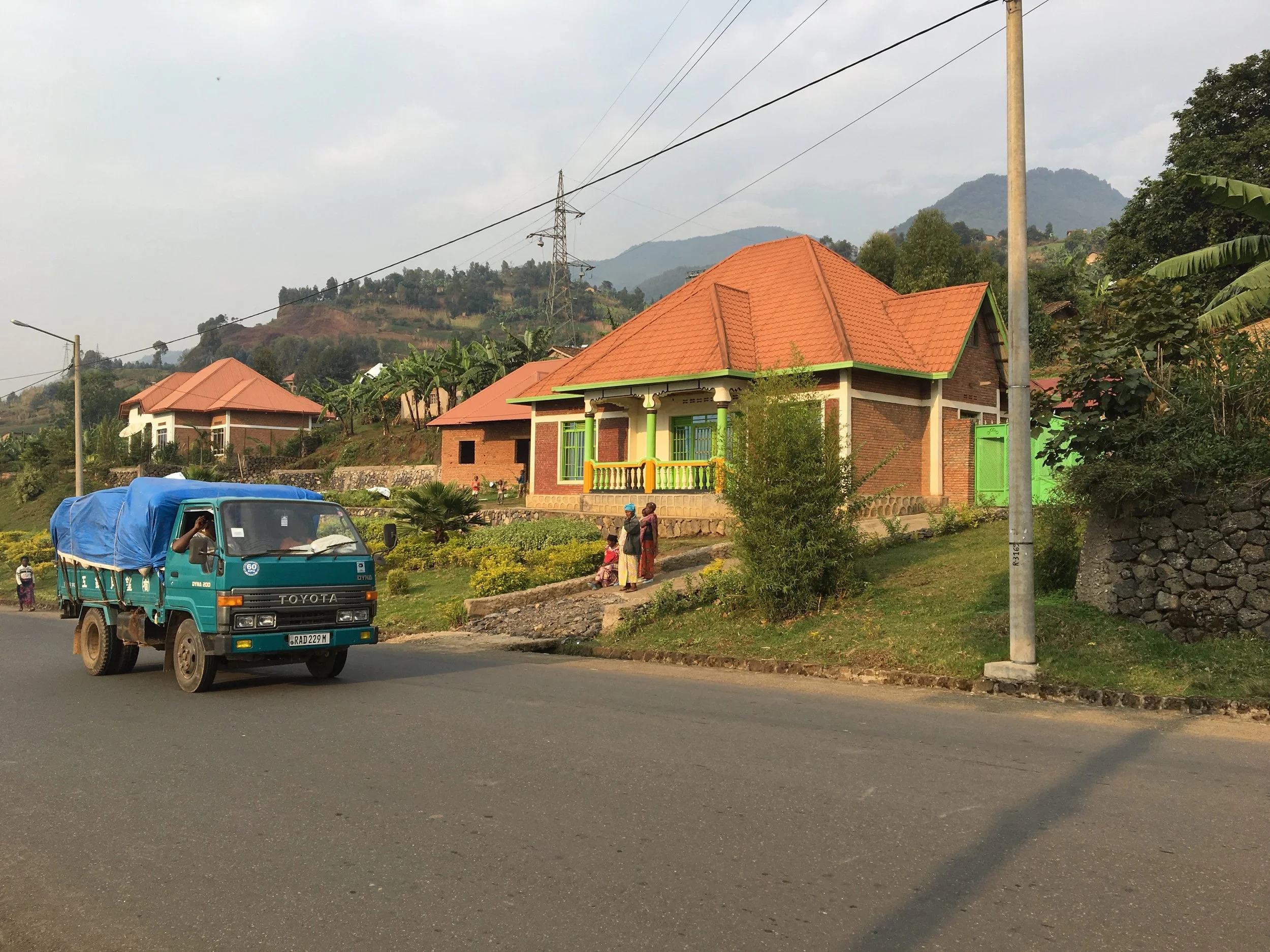
As we drove throughout the city towards the mountains, I observed families and locals working in sync near gas stations and marketplaces.
Riding along the curvy roads that hugged the shape of the mountains. I inhaled the smell of the eucalyptus trees on our route and looked out my window to a glorious view of a place I grew indignant towards.
I leaned my head back against my seat and started thinking that maybe I was missing something, or I was wrong about everything. The meeting from the day before replayed in my head. My thoughts became a mental battle that put me to sleep.
When I awoke, I leaned forward and asked the driver to change the radio from Justin Bieber to play local Rwandan music. For some reason, this made him uncomfortable, and he tried to convince us that we wouldn't like it.
When I insisted, he didn't know what station to change to. So we sat in silence, listening to the wind blow, consuming the forestry fumes and delicious smell of Isombe
Isombe
Isombe is Rwandan stew made from mashed cassava leaves and other ingredients such as tomatoes, onions, coriander, garlic, etc. The dish has a meat flavor taste, although it contains no meat due to the usage of stock from boiled beef bones.
cooking throughout the villages.
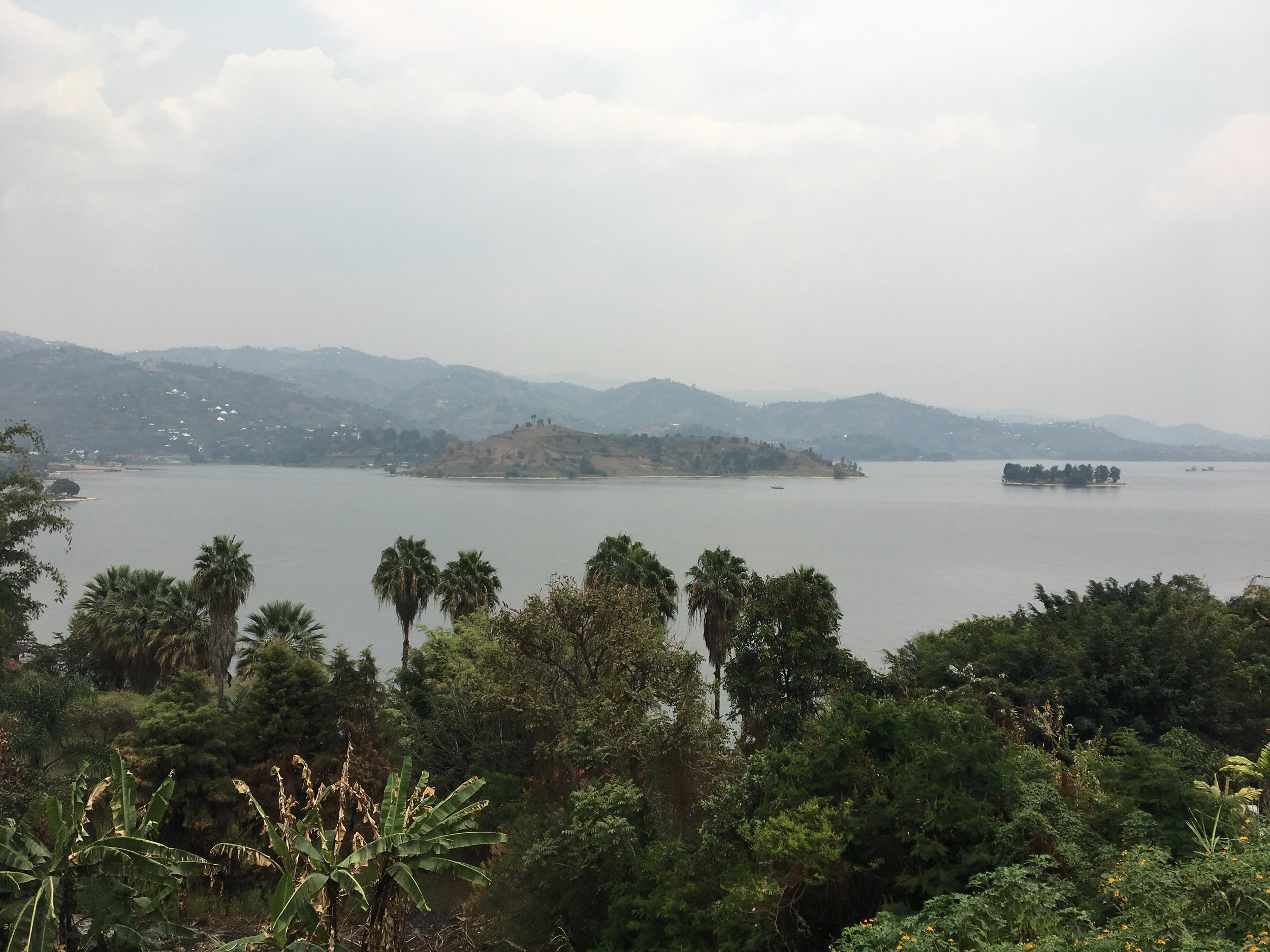
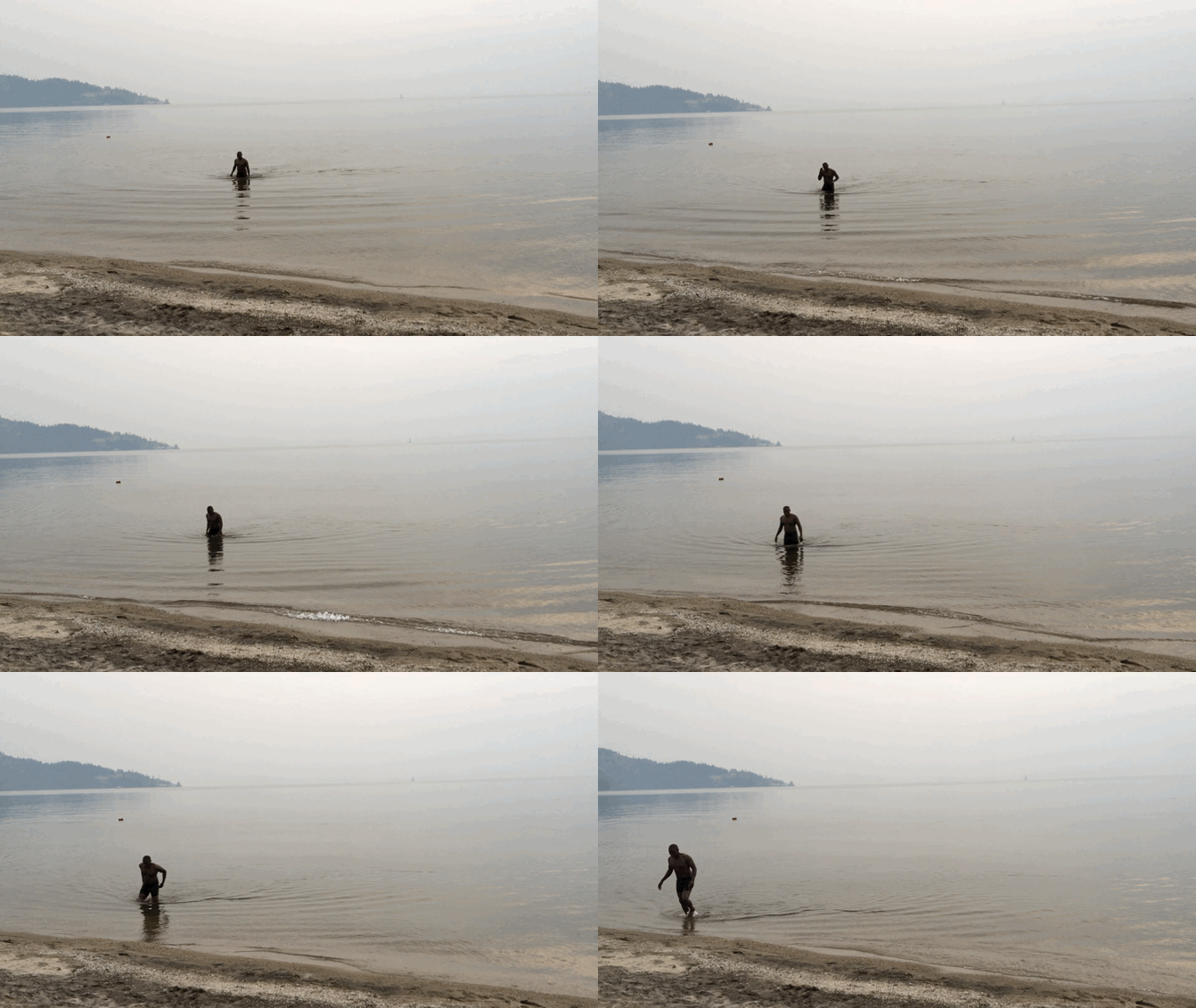
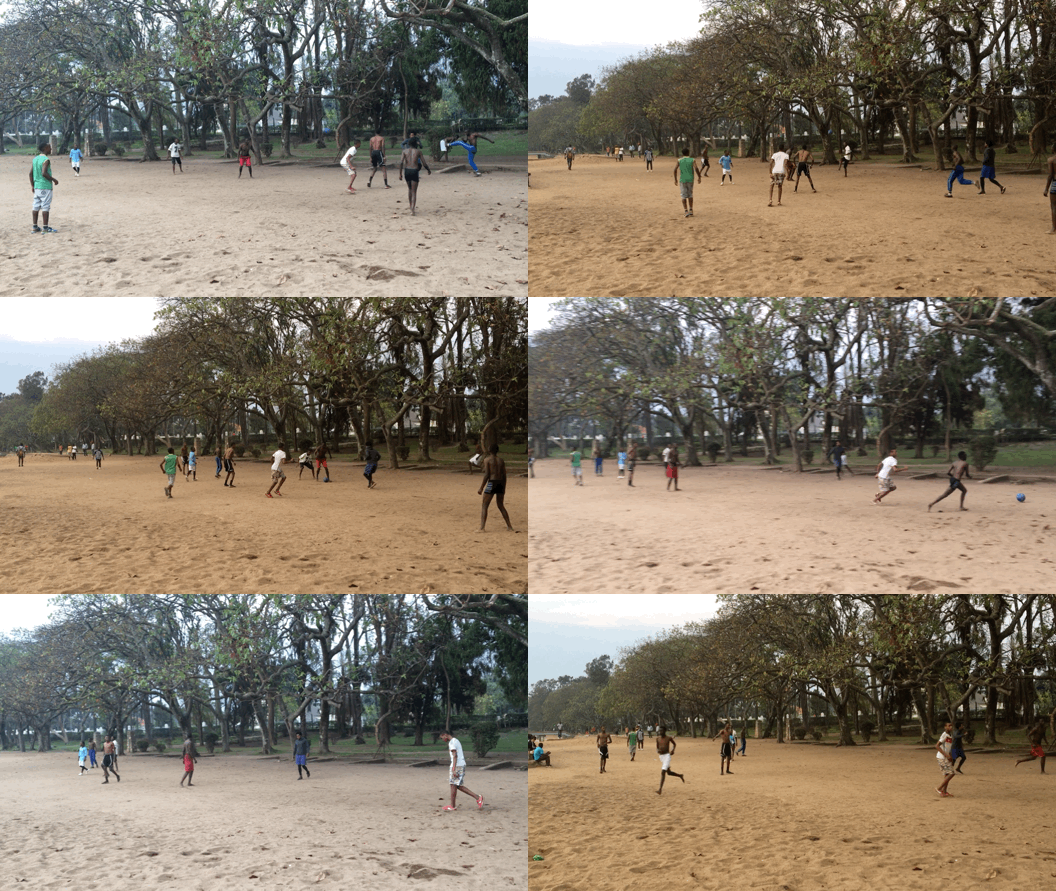
When we arrived at Gisenyi and Lake Kivu, I felt a difference in my pace and mental state. I watched the young kids play soccer near the beach, and other locals bathe in the still waters.
I walked barefoot along the sand and took in my surroundings. Eventually, I wasn't thinking about my arrest; I was saturating myself in the country.
Somehow the foggy skies and still water ripples had eased my trauma. I pushed the thoughts of reporting to the Canadian embassy behind me and thought maybe there's more to uncover during my time here. I decided that if the trees, water, and youthful enjoyment are at the beginning of this awakening, I will pay attention
At night, over Sambaza fish
Sambaza Sardine
Sambaza is endemic to Lake Kivu and Lake Tangakina, the waters of which many communities of Rwanda and the Democratic Republic of Congo have used for fishing and based their livelihoods on. The small (6 cm) silvery delicacy is usually served fried with tar tar sauce.
and drinks, we enjoyed a performance at the local restaurant. Then, we drove back into the city with the smell of eucalyptus trees and sounds of nature's nightlife lulling us to sleep.
A
few days later, my familiarization tour began. The tour took us to several attractions and activities that highlighted Rwanda. I was joined with travel and tourism business people from all over the world.
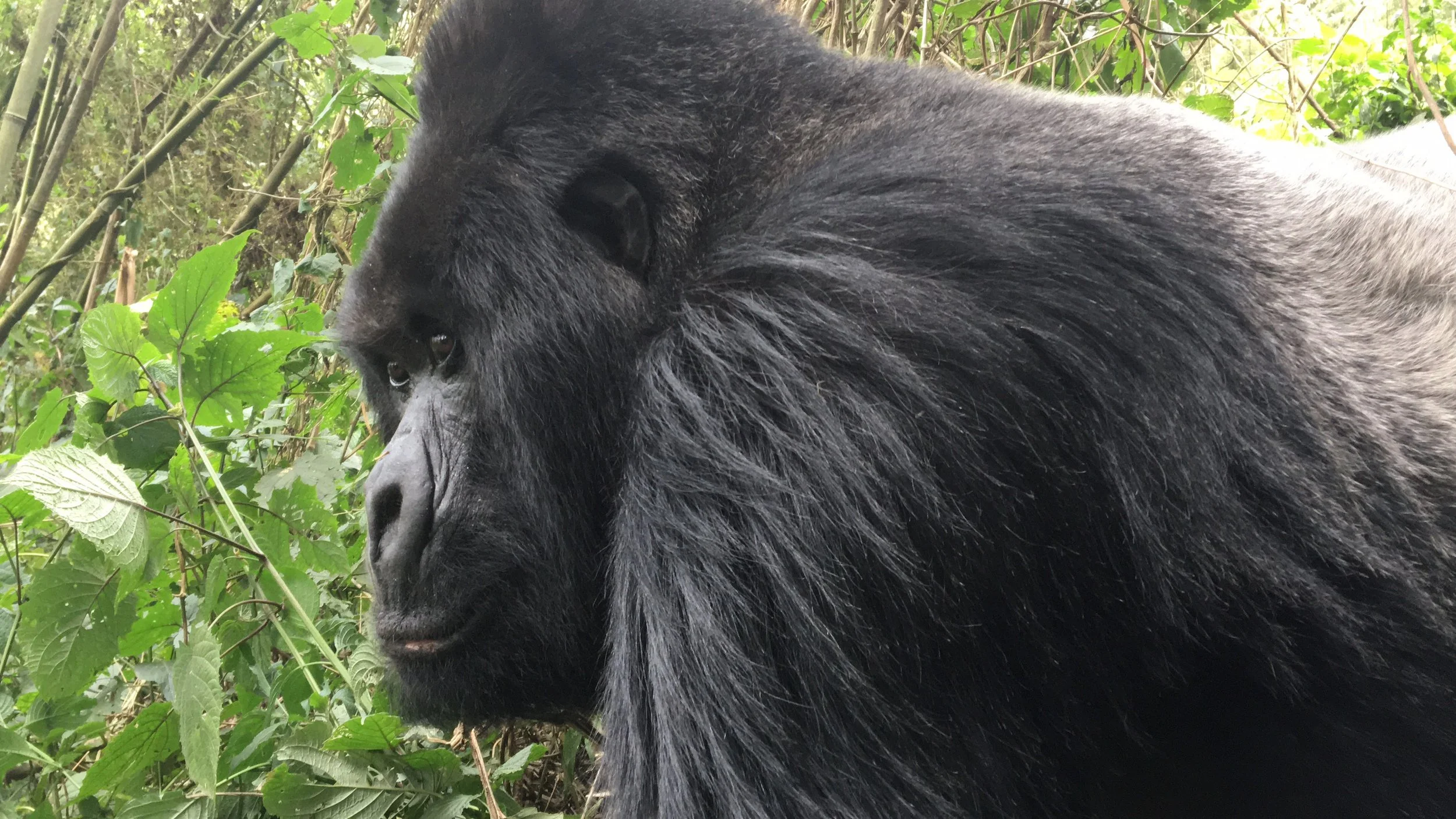
Together, we hiked throughout the Volcanoe Mountains, came face-to-face with Silverback gorillas, explored bat caves, and dressed up in a Mushanana
Mushanana or Umushanana
The Umushanana is the traditional ceremonial dress of women in Uganda, Burundi and Rwanda. It consists of a wrapped skirt bunched at the hips and a sash draped over one shoulder.
while learning the village culture.
Together, we hiked throughout the Volcanoe Mountains, came face-to-face with Silverback gorillas, explored bat caves, and dressed up in a Mushanana while learning the village culture.
The RDB tour guides must have been informed about my arrest because they gave me special treatment. This aggravated me because I was trying to forget everything. The more they catered to me, the more I received inquiries from those in my tour group.
On September 1st, 2017, I attended Kwita Izina, Rwanda's annual gorilla naming ceremony. The security process for this festival was tiresome. At the main gates, I locked eyes with the Chief of Police. He walked over to me, said my name and held out his hand for a handshake. Even though this horrified me, I sized him up and down, nodded my head and said hello. As he put his hand down, I felt the stares of the people in my tour group observing me turn down an officer's handshake.
He asked if I was enjoying my stay with the same smirk on his face. I replied yes, and moved forward in the line. I avoided further conversation, as I didn't want to revisit that maim.
The women in my tour group asked what that was all about. I told them I would explain later.
We were sitting under the tent in a VIP area, President Paul Kagame walked by us towards the main stage. Never in my life have I seen a president walk so freely amongst people. I remember thinking - where are the men in suits and walkie talkies? Where is the clearance of the room? His lack of security seemed axiomatic but completely unreflective of the day-to-day precautions taken in the country.
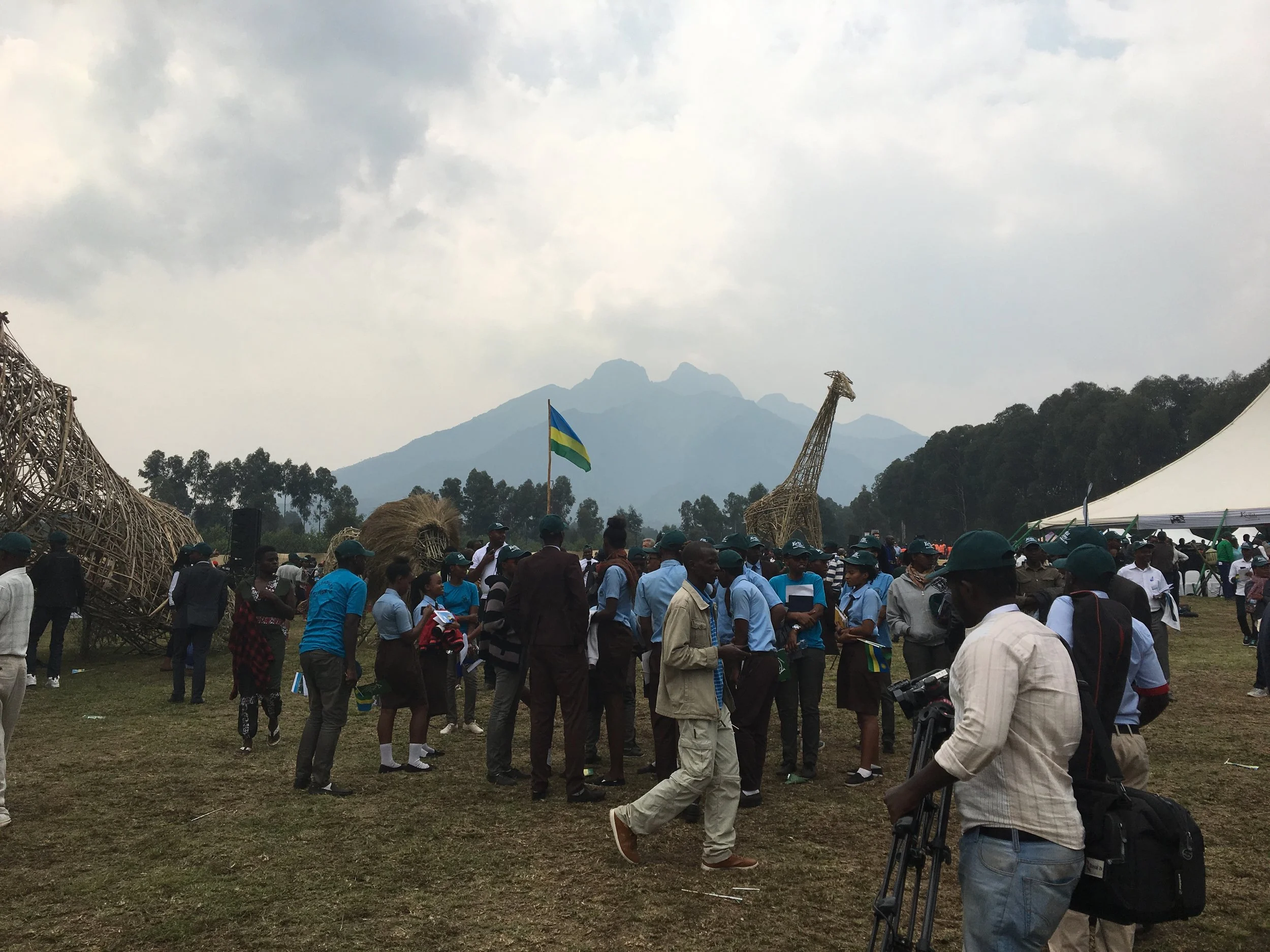
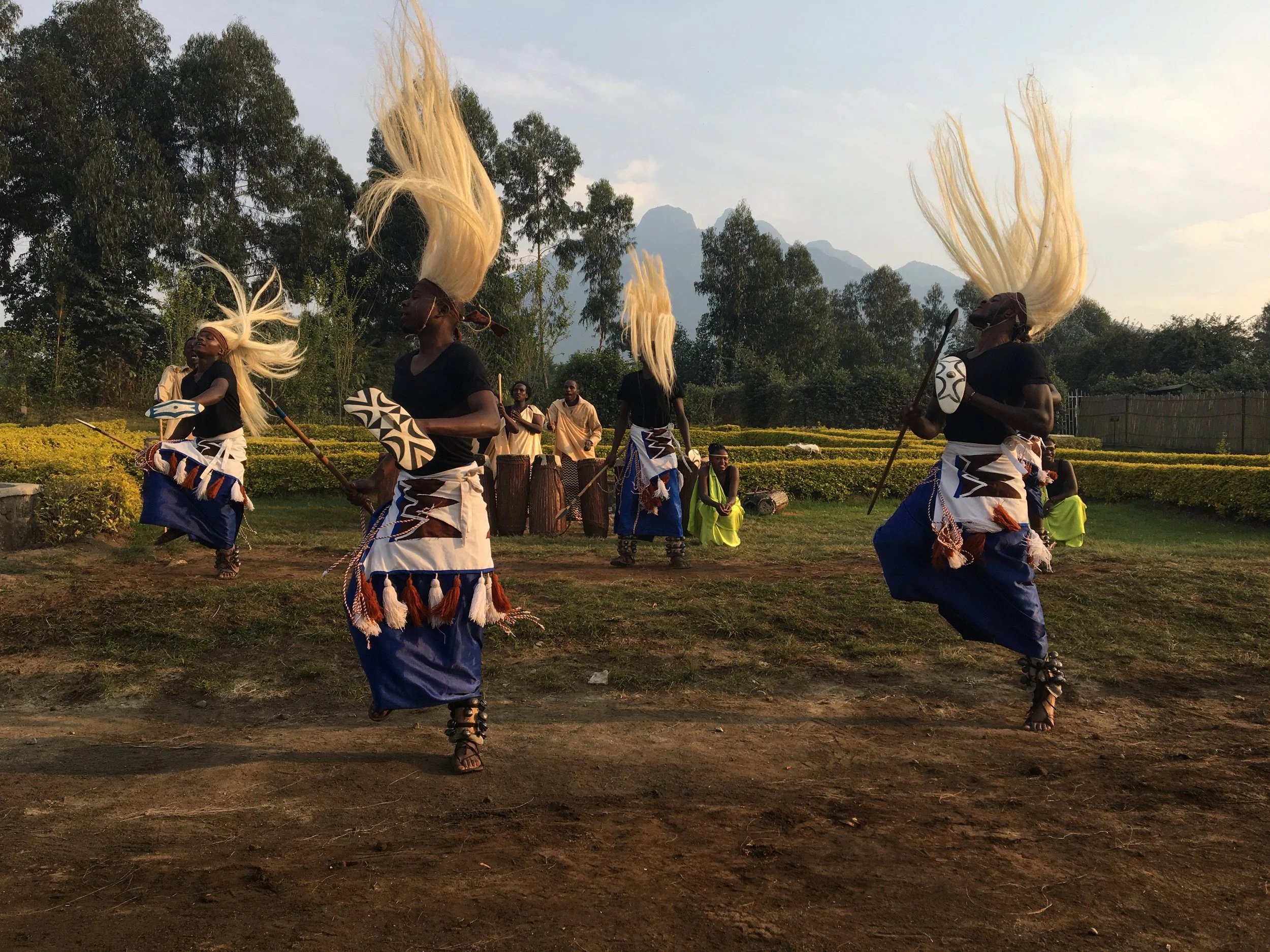
When the festival wrapped up, we engaged in celebrations, took photos, then returned to our hotel. I told the women in my tour group about my arrest over chai tea and a buffet dinner,
The other Black woman in the group was a sweet elderly lady from the States. She reminded me of a warm, loving aunty that cooked sweet apple pie on a perfect Sunday. In her motherly tone, she asked me a question that tickled my subconscious thoughts in Gisenyi.
She asked me if I was a bit more understanding of my circumstances now that I saturated myself in the country's culture.
I wasn't sure how to answer that at that moment, but I told her I needed more time.
A
s the familiarization tour came to an end, something told me to contact Anne, the Co-founder of the platform my workplace collaborated with for the reception. I'm so thankful I did this.
Over dinner, Anne and I spoke about my Rwanda experience so far. She listened when I talked about my arrest and sympathized with me. I asked her questions about why it was such a problem to listen to Rwandese music and my dislike for hearing Shania Twain or Justin Bieber at conference events. I vented about the guides who refused to share their culture and the overuse of security.
She was patient, listened and recognized my frustrations. She told me about the Tutsi Genocide and the cultural shift that was still happening in the country. Up until that conversation, my only knowledge about the genocide came from the film Hotel Rwanda.
Anne didn't have to, but she apologized for how I got caught up in the repercussions of a nation coping with trauma.
She asked if I visited the Memorial Centre. I hadn't gone at that point. It was the last stop on the familiarization tour. The look on her face was empathetic, as there was so much I needed to learn. She reached over for the bill and touched my hand, gesturing not to worry. As we hugged and said goodbye, she told me to touch base with her after visiting the centre.
I usually avoid genocide, war, and apartheid historical sites because it's overwhelmingly depressing. It's tough to leave those sites with light around you.
When I began walking through the Kigali Genocide Memorial Centre. I read the walls and learned that it all started with German and Belgian colonizers conducting social experiments in the 1880s.
I told the tour group they could walk ahead without me because I knew my spirit would be disturbed, and I wanted to mourn in peace.
The walls of photos, literature, films and sculptures explained the rise of hatred against the Tutsis. I learned about the powerful influence the radio had on spreading hate throughout the land.
Remember that hush-hush paranoia I kept feeling throughout my visit? A particular section in the centre puts this in perspective. It spoke about living in harmony with a community one day, and almost suddenly overnight, the people that once laughed, danced, ate, and sang together became brutal enemies.
The fear of potentially having their neighbours wake up and slaughter the families around them continues to traumatize Rwandans. After less than 30 years ago, millions continue their lives displaced with no trace of relatives. Murderers, families of murderers, and brokenness surrounding one another every day.
I'm going to get into a quick history lesson here.
The meat and potatoes of the Rwandan Tutsi Genocide consist of two ethnic groups – Hutus and Tutsis. The Hutus, for the longest time, made up 85% of the country. Their dominance raised tensions long before the Genocide of 1990-1994.
The Genocide against Tutsis left 40% of Rwandans dead and displaced—the majority of the deaths being of the Tutsis ethnic group. According to BBC News Africa, in 1994, in 100 days, 800,000 people died. This is a number that is recognized globally, but the Rwandan government recognizes about one million.
In 2001, the Rwandan Government introduced the Gacaca Court System. This was put in place to essentially speed up justice after the genocide. The Gacaca Law became a traditional mechanism for resolving local disputes and bringing its perpetrators to justice.
But let's rewind a bit, originally, Gacaca, meaning community justice in Kinyarwanda, was a form of social civilization amongst Rwandan society. Kings and Wiseman embodied power, justice, and knowledge to mediate major disputes within their region.
However, as colonization took place, western adaptations of law became more prevalent, so those very same Kings and Wisemen began to lose their legitimacy, and Gacaca courts became scarce.
After the genocide, the government implemented past community customs to make a more extensive impact on justice. If they kept their original justice system, the trials of alleged perpetrators estimated to take up to 200 years – resulting in a crumbling economy.
By the year 2000, approximately 130,000 alleged genocide perpetrators populated Rwanda's prisons.
When I spoke to Anne again, she mentioned that since then, there have been a few discrepancies with The Gacaca Law, and one of the main concerns was that criminals were simply signing a letter or publicly acknowledging they are wrong. Communities weren't trusting of this method anymore. Especially not after a gruesome genocide.
I remember asking Anne if it was appropriate to ask Rwandans what their tribe was like I would do in other African countries. She advised that I refrained from doing that. And explained why identifying ethnic distinctions had become almost forbidden.
Since Paul Kagame came into the presidency in 2000, the IDs of Rwandans no longer mention their ethnic groups, and the law refuses them to identify these tribal differences. But people can tell by distinct features and cultural practices. This is the epitome of living in a world of known unknowns.
I think about how skeptical Rwandans are that maybe, that old seed of hate can grow and start a horrible cycle all over again. Victims, survivors and perpetrators are still living side by side in weariness, and many are expected to practice a level of forgiveness beyond them.
Millennials like me are so used to reading history books, passing through museums, and being sad momentarily for the evils of the past. Most of us have no idea of what it's like to experience a genocide, let alone the aftermath of a nation internally grieving.
But I did, in the form of an arrest.
I now have friends and loved ones who were babies when having to flee from Rwanda. Their parents, fearfully becoming refugees on foreign land.
Although my arrest wasn't warranted, it contrasted my expectations to exercise privileges, rights and freedom. This is because I never had it ripped away from me completely.
In 1994, at 2 years old, I was free, playing with my toys and running around in fields. I had my loved ones around me, nurturing me. But, across the globe in Rwanda, children my age were being slaughtered, ripped from their families, and hiding out of fear for their lives.
